

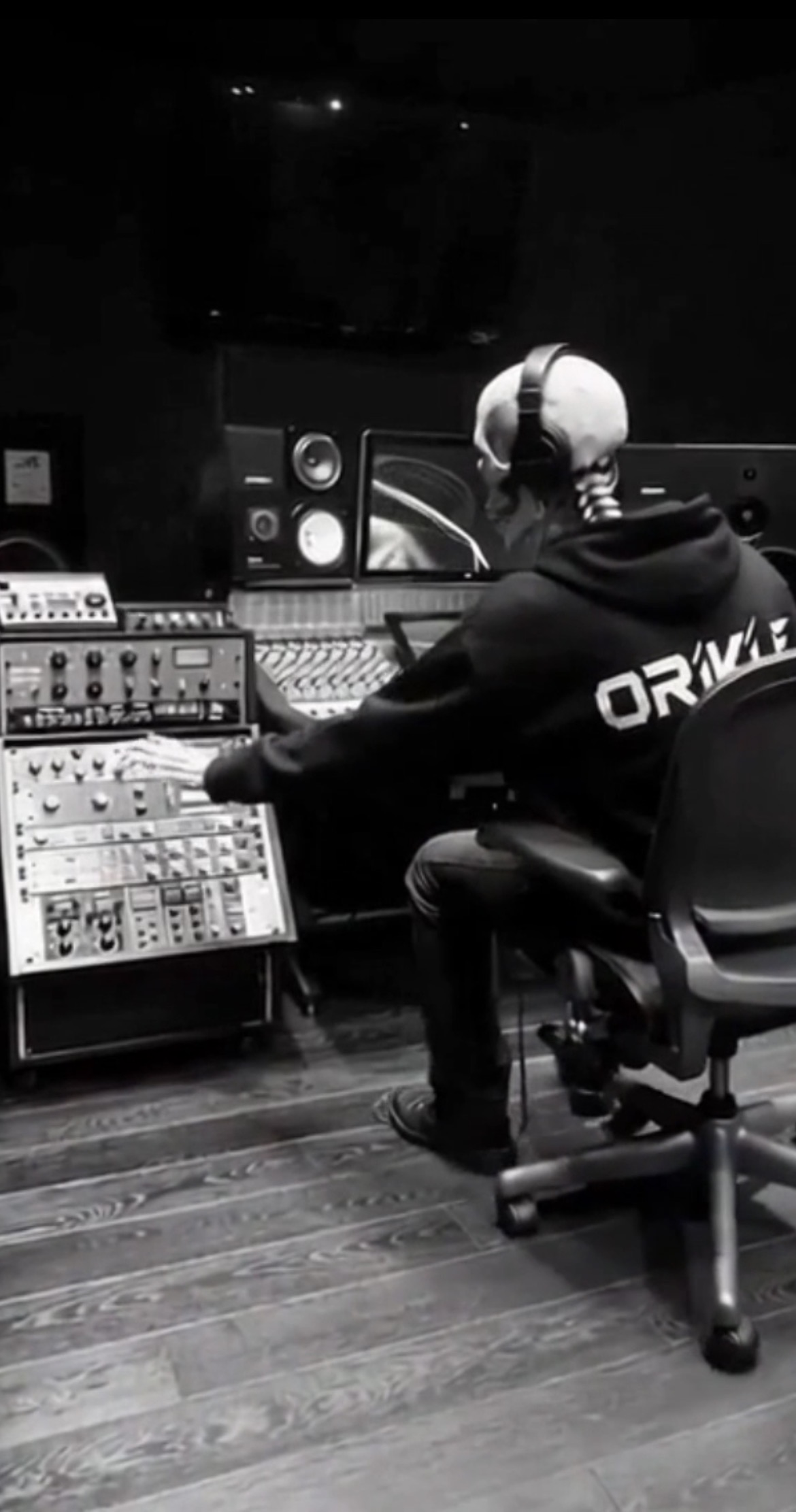
As a producer, my time in the studio is spent meticulously crafting the individual elements of a track. But out in the club, it’s the DJ who brings those tracks to life, weaving them together to take the crowd on a journey.
While I focus on producing tracks right here in Manchester under the ORIKLE moniker, I constantly get asked by upcoming DJs how to best mix the genre. Melodic techno is a unique beast it requires patience, flawless harmonic matching, and a deep understanding of tension and release.
Since my expertise lies in making the music rather than spinning it, I’ve scoured the internet to curate the absolute best resources, video tutorials, and guides to help you master the art of DJing melodic techno.
Here are the essential techniques and the best tutorials to learn them from.
1. The Art of the "Long Blend" (Phrasing & EQing)
Unlike tech-house or EDM, melodic techno isn't about fast, choppy cuts. It’s about long, sweeping transitions that can last anywhere from 1 to 3 minutes. The goal is to make the audience forget where one track ends and the next begins.
To pull this off, you need a flawless understanding of phrasing (mixing in 16- or 32-bar blocks) and smooth EQing to swap the basslines without muddying the mix.
Watch This:
Why it’s great: Crossfader breaks down the exact EQ steps to take during a long transition, showing you exactly when to cut the lows and highs to keep the energy driving without clashing the heavy synth elements.
2. Harmonic Mixing (Mixing in Key)
If there is one absolute rule in melodic techno, it’s this: You must mix in key.
Because the genre relies heavily on complex synth arpeggios, atmospheric pads, and defined bass notes, clashing keys will instantly ruin the vibe and clear the dancefloor. You need to understand the Camelot Wheel to ensure your tracks blend musically, not just rhythmically.
Watch This:
Why it’s great: These resources explain the system perfectly, allowing you to build sets that naturally escalate in emotional intensity by stepping up the Camelot wheel.
3. Using FX: Wash Outs, Reverb, and Filters
Listen to any Afterlife or Awakenings set, and you’ll notice that DJs use effects not as gimmicks, but as instruments. Using high-pass filters paired with large reverbs and delays creates massive "wash outs," allowing you to build tension before slamming the bass back in.
Watch This:
Why it’s great: gives you practical, step-by-step knob movements for using DJ effects units to create those massive, ethereal build-ups that define modern techno.
The Final Step: You Need the Right Tracks to Practice With
You can watch tutorials all day, but the only way to get better is to get behind the decks. To practice long, emotive blends, you need tracks with properly structured intro and outro beats, clear phrasing, and driving low-end.
This is where I can directly help.
I engineer my ORIKLE tracks specifically to be DJ-friendly, ensuring they have the perfect rhythmic runway for you to mix in and out of. If you want to practice your harmonic mixing and EQ blending, grab my tracks:
"Chain Reaction" – Perfect for practicing driving, high-energy drops.
"Northern Soulmates" – A great track to test your harmonic, emotional blending.
"Other Side" – Ideal for practicing long, atmospheric intro transitions.
ORIKLE Melodic Techno Mix 2026 on Spotify
Load them up in Rekordbox, find their key, and start experimenting. The dancefloor is waiting.