Guides / AI ·
Can you make a real record with Suno?
Where AI music generators actually fit, from someone who writes every track in Ableton and works with real singers. Including the part most articles skip: what the lawsuits mean for independent artists rather than for major labels.
Let me put my position up front, because you should know the bias before you read the argument.
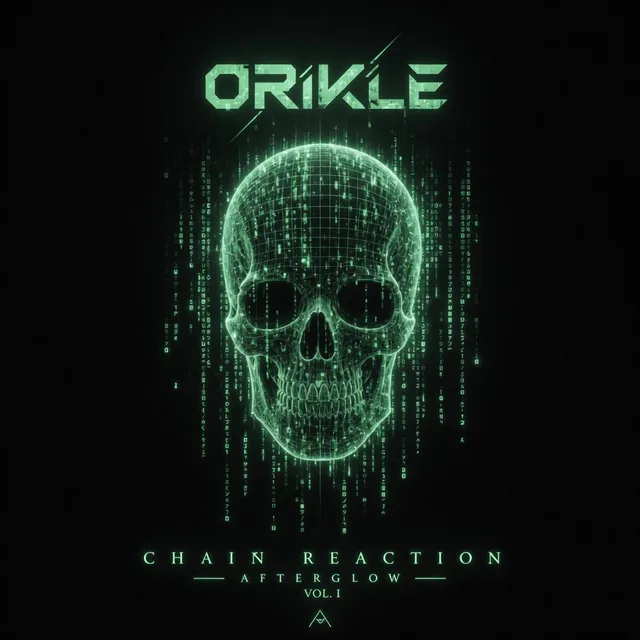
Every ORIKLE track is written in Ableton, and the vocals are sung by real people. Other Side, Chain Reaction and Northern Soulmates all began as words on a page before they were anything else. So I am not neutral here. I am also not interested in pretending the tools do not exist, because that helps nobody.
The honest answer to the question is: yes, you can generate something that sounds like a record, in about thirty seconds. Whether you should release it is a different question, and it is more complicated than either side usually admits.
What Suno actually does
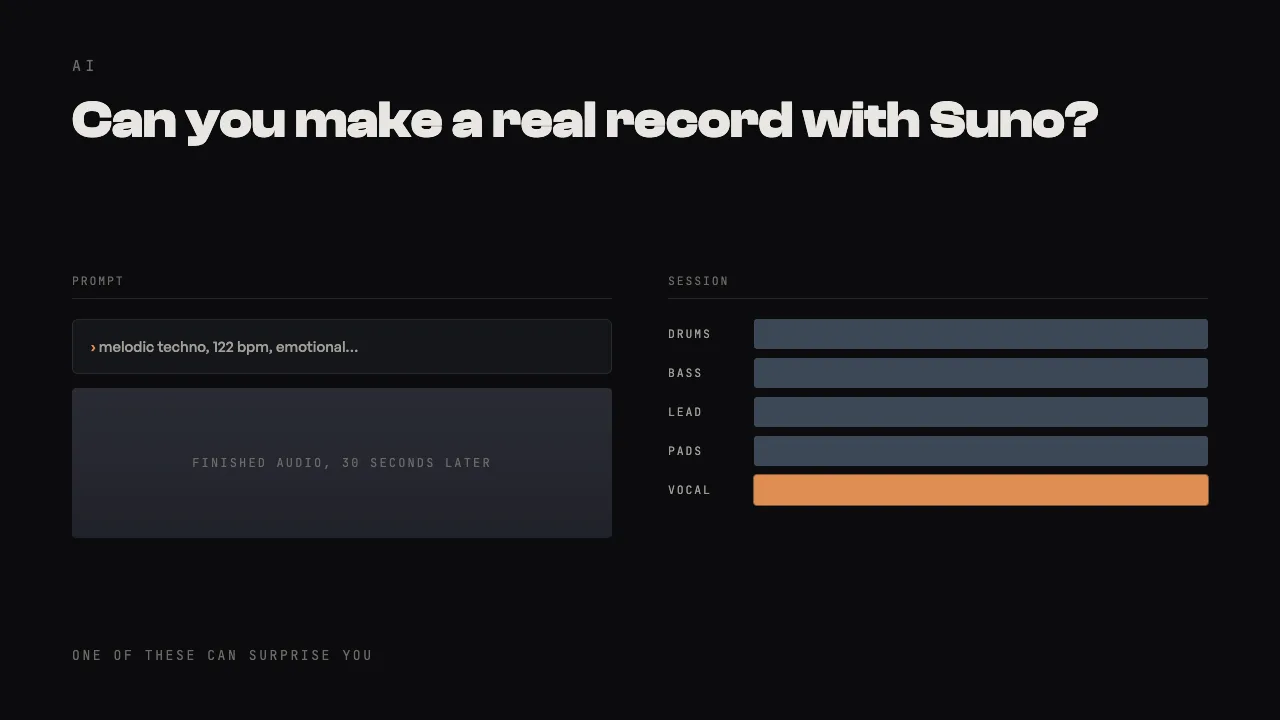
You type a description and it returns a finished piece of music: structure, instrumentation, vocals, mix. Not stems, not MIDI, not a starting point. A finished thing.
That is the part people underestimate. It is not a plugin that helps you produce. It is a replacement for the act of producing. Those are different propositions and they deserve different answers.
The part most articles skip
Nearly everything written about this is about whether AI music is any good. Far more useful, if you are an independent artist deciding whether to touch it, is where the law currently sits. It is genuinely unsettled, and it is moving fast.
Warner Music settled with Suno in November 2025, dropping its claims in exchange for a licensing partnership: a licensed model, artist opt-in over voice and likeness, and Suno acquiring the concert data service Songkick as part of the deal. Sony and Universal did not settle. They are still litigating in Boston, and in May 2026 they moved to expand the case from 560 recordings to 61,026, which would push potential statutory damages past nine billion dollars. A summary judgment hearing was set for July 2026.
Meanwhile Suno raised another 400 million dollars in June 2026, while still facing those suits.
Here is the bit that matters for people like us. Independent musicians have filed their own class actions, on the argument that the major label settlements do not protect smaller rights holders. Whatever Warner negotiated for its catalogue, it did not negotiate for yours.
So when you read that the industry is settling and the problem is going away, understand what that actually means: the largest catalogue owners are converting a lawsuit into a licensing deal. If your recordings were in the training data, you were not at that table.
I am not a lawyer and this is not legal advice. But if you are weighing whether to build something on this, the fact that the ground is still moving is part of the calculation.
Where it genuinely earns its place
I use reference tracks constantly. Every session starts with something in a muted channel to stop me drifting, which I wrote about in the Ableton production guide.
Generating a rough sketch of an arrangement idea, to hear whether a structure works before you spend six hours building it, is a legitimate use of thirty seconds. So is testing whether a chord movement does what you think it does. So is showing a collaborator the shape of an idea you cannot yet play.
None of that ends up in the record. It is scaffolding, and scaffolding comes down.
There is also a real case for it as a learning tool, if you use it backwards: generate something in a genre you do not understand, then work out why it sounds the way it does. That is ear training with a very fast feedback loop.
Where it falls down
The vocals, and it is not close.
The singers I work with bring things I did not ask for. A phrase lands differently to how I heard it in my head, and the different version is better. Someone pushes back on a line because it does not sit right in their mouth. A take has a crack in it that you would never design and would never delete.
Prompting cannot produce that, because prompting can only return what you already knew how to ask for. The value of another person in the room is precisely that they are not you.
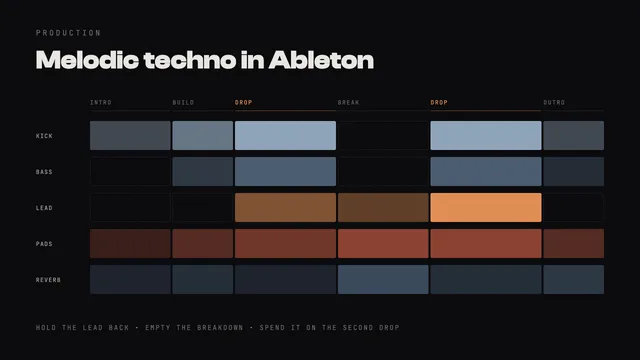
There is a narrower point too. Melodic techno lives on restraint, on tension held far past the point of comfort, which is exactly the thing a model trained to satisfy a prompt is least likely to do. Generators are optimised to deliver. The genre is built on withholding.
So, can you?
You can generate something that sounds like a record. You cannot currently generate a body of work that means anything, because meaning comes from the specific and the specific is exactly what these tools average away.
My records are about particular people and particular events. Stars is dedicated to someone by name. No prompt reaches that, not because the technology is not good enough yet, but because there is nothing in the prompt to reach it with.
Use it as scaffolding if it helps you. Be clear eyed about the legal position before you build anything on it. And if you are making music that is supposed to be about something, the slow way is not an inefficiency. It is the whole job.
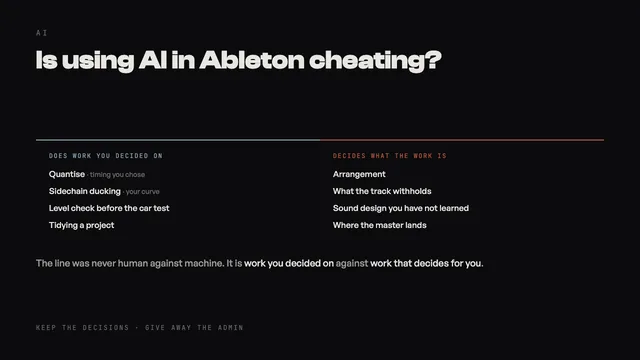
If you want the version of that argument that is about your own studio rather than about the industry, I have written separately about whether using AI inside Ableton is cheating, which is a different question with a different answer.